


Rhubarb is one of those foods that sparks strong opinions. Some people adore it, while others recoil after their first bite. If you’ve ever wondered what rhubarb tastes like, why it’s often paired with sugar, or whether it’s supposed to taste “that sour,” you’re not alone.
In this detailed guide, we’ll break down rhubarb’s flavor, texture, aroma, and how it changes when cooked—much like a pet-care manual explains how an animal behaves in different environments. You’ll learn what to expect, how to use rhubarb properly, and how to tell when it tastes “right” versus when something is off.
Whether you’re curious, cautious, or already a fan, this article will help you understand rhubarb from the first sniff to the final bite.
What Is Rhubarb?
Before we talk about taste, it helps to understand what rhubarb actually is.
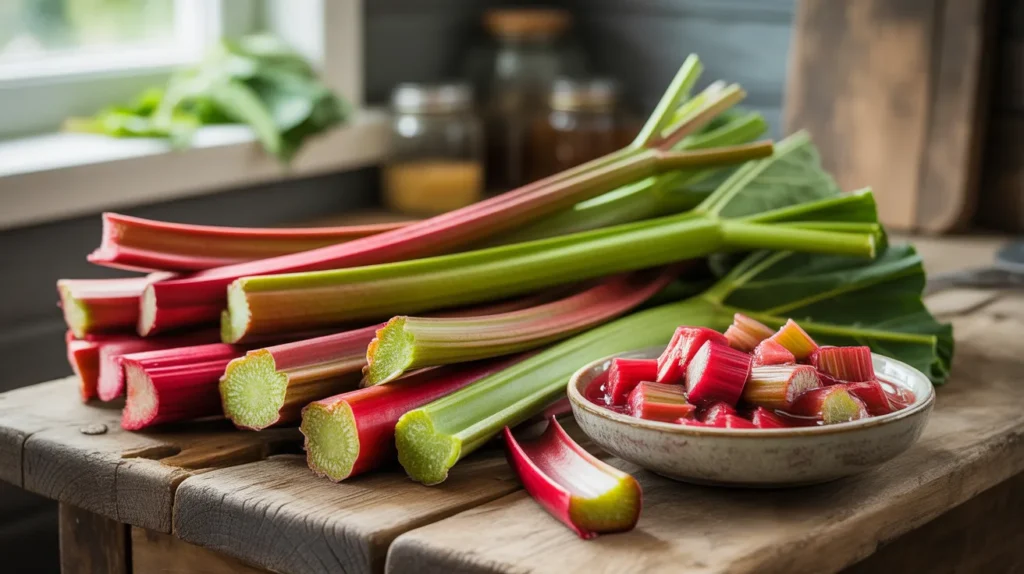
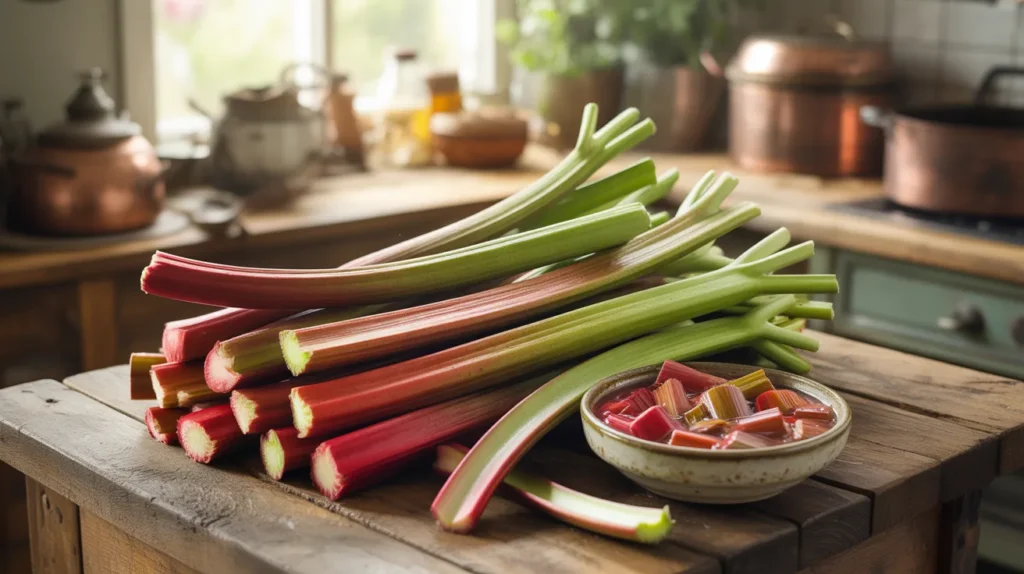
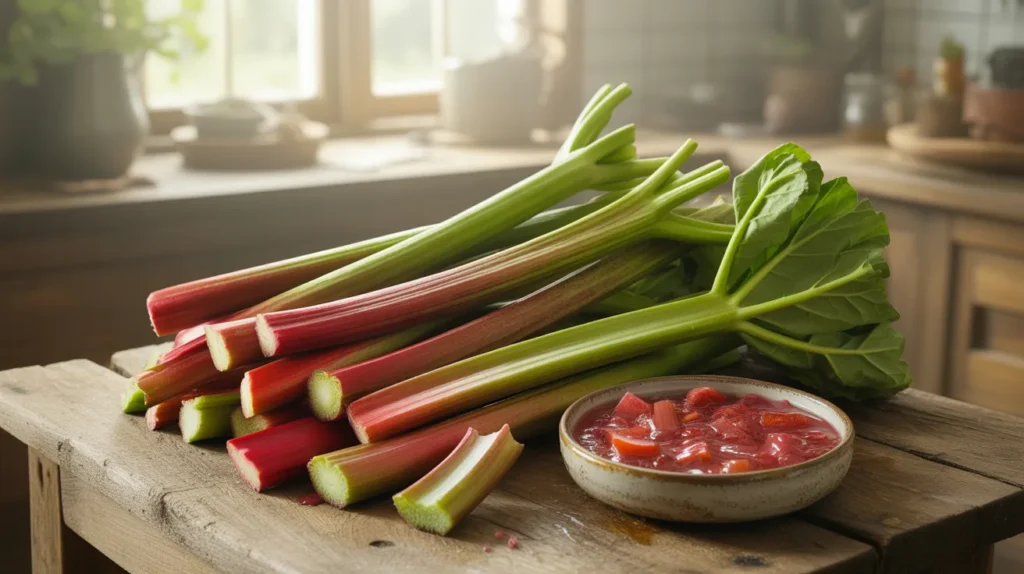
Rhubarb is a perennial plant known for its long, thick stalks, which resemble celery but are often red, pink, or green. Botanically, rhubarb is a vegetable, but in cooking, it’s usually treated like a fruit.
Key facts about rhubarb:
- The stalks are edible
- The leaves are toxic and should never be eaten
- It’s commonly used in desserts, jams, and sauces
- It’s especially popular in spring and early summer
Think of rhubarb like a tart, high-maintenance ingredient—it’s not meant to be eaten raw and plain, but it shines when handled correctly.
What Does Rhubarb Taste Like? The Short Answer
Rhubarb tastes:
- Very tart
- Sharp and acidic
- Bright and tangy
- Mouth-puckeringly sour
Many people compare the taste to:
- Green apples
- Lemon juice
- Sour candy (without the sweetness)
- Cranberries
On its own, raw rhubarb is intensely sour, often unpleasant to eat plain. This is completely normal and expected.
A Deeper Look at Rhubarb’s Flavor Profile
Just like describing an animal’s behavior in different conditions, rhubarb’s taste depends on how it’s prepared and consumed.
Raw Rhubarb Taste
Raw rhubarb is:
- Extremely sour
- Crunchy and fibrous
- Astringent (can make your mouth feel dry)
Visual cues when raw:
- Bright red or pink stalks (often more tart than sweet)
- Green stalks (sometimes slightly milder but still sour)
- Crisp texture similar to celery
Most people do not enjoy raw rhubarb unless it’s heavily sweetened.
Cooked Rhubarb Taste
When cooked, rhubarb:
- Loses some of its sharpness
- Becomes softer and jam-like
- Develops subtle fruity notes
The sourness doesn’t disappear—but it becomes pleasant and balanced, especially when sugar or honey is added.
Cooked rhubarb often tastes:
- Tart but mellow
- Bright and refreshing
- Slightly floral or berry-like
This transformation is why rhubarb is famous in pies and compotes.
Why Is Rhubarb So Sour?
Rhubarb’s signature sourness comes from its high acid content, mainly:
- Oxalic acid
- Malic acid
These acids stimulate the same taste receptors as lemons and vinegar.
Signs you’re tasting rhubarb’s natural acidity:
- Tingling or puckering sensation in the mouth
- Increased saliva production
- A sharp “bite” at the back of the tongue
This acidity is normal and safe in edible stalks, but it’s also why rhubarb is almost never eaten unsweetened.
Does Rhubarb Ever Taste Sweet?
On its own, rhubarb is not sweet. However, it can taste sweet-tart when:
- Cooked with sugar or fruit
- Paired with strawberries, apples, or berries
- Slow-cooked to reduce acidity
Sweetness expectations:
- Rhubarb never tastes sugary like grapes
- The sweetness always balances the sourness
- The final flavor is complex, not candy-like
If rhubarb tastes flat or bland, it’s usually overcooked or under-seasoned.
What Does Rhubarb Smell Like?
Rhubarb’s aroma is often overlooked but important.
Fresh rhubarb smells:
- Clean and green
- Slightly sour
- Similar to fresh apples or citrus peel
When cooked, the smell becomes:
- Warmer
- Fruity
- Comforting, especially with sugar and spices
If rhubarb smells musty, fermented, or rotten, it should not be used.
Texture: How Rhubarb Feels When You Eat It
Texture plays a big role in taste perception.
Raw texture:
- Crisp
- Stringy
- Watery
Cooked texture:
- Soft
- Silky
- Spoon-tender
Well-cooked rhubarb should break apart easily, similar to stewed fruit. If it’s mushy and flavorless, it’s been overcooked.
What Does Rhubarb Taste Like in Common Dishes?
Rhubarb changes personality depending on how it’s prepared—much like an animal adapting to different environments.
Rhubarb Pie
- Sweet-tart
- Bright and fruity
- Balanced by sugar and pastry
Rhubarb Jam
- Tangy
- Spreadable
- Similar to cranberry or sour cherry preserves
Rhubarb Sauce or Compote
- Refreshing
- Slightly acidic
- Often paired with yogurt or meats
Rhubarb Crisp or Crumble
- Tart filling
- Sweet, buttery topping
- One of the most approachable ways to try rhubarb
Is Rhubarb Supposed to Taste Bitter?
Rhubarb should be sour, not bitter.
Possible causes of bitterness:
- Overcooking
- Using leaves (unsafe)
- Very old or improperly stored stalks
If bitterness is strong or unpleasant, discard it.
Can Rhubarb Taste Different by Color?
Yes—color can give mild clues.
Red rhubarb:
- Often perceived as slightly sweeter
- More aromatic
- Visually appealing
Green rhubarb:
- Usually more tart
- Slightly grassy flavor
However, color does not guarantee sweetness. Cooking method matters more.
How to Make Rhubarb Taste Better (Practical Tips)
Think of this as “taste care instructions.”
To balance sourness:
- Add sugar, honey, or maple syrup
- Pair with sweet fruits
- Use vanilla or cinnamon
To reduce stringiness:
- Peel tough outer fibers
- Cook slowly with moisture
To enhance flavor:
- Add citrus zest
- Use gentle heat
- Avoid overcooking
Rhubarb rewards patience and balance.
Where Rhubarb Can Be Found or Live
Rhubarb is a hardy perennial plant that thrives in specific environments.
Natural growing conditions:
- Cool to temperate climates
- Well-drained soil
- Full sun to partial shade
Common places rhubarb is found:
- Home gardens
- Farms in cooler regions
- Farmers’ markets
- Grocery stores (fresh or frozen)
Rhubarb grows best in:
- Northern United States
- United Kingdom
- Northern Europe
- Parts of Asia
It goes dormant in winter and returns each spring—one reason it’s considered a seasonal treat.
Is Rhubarb Safe to Eat?
Yes—with proper handling.
Safe parts:
- Stalks only
Unsafe parts:
- Leaves (contain toxic levels of oxalic acid)
Signs rhubarb should not be eaten:
- Slimy texture
- Strong odor
- Mold spots
Prepared correctly, rhubarb is safe and nutritious.
Who Might Enjoy Rhubarb the Most?
Rhubarb is ideal for people who enjoy:
- Tart flavors
- Citrus-like acidity
- Complex, balanced desserts
It may not appeal to those who prefer very sweet foods without sourness.
Common Misconceptions About Rhubarb Taste
- ❌ “Rhubarb is bitter”
- ❌ “Rhubarb is poisonous”
- ❌ “Rhubarb tastes like celery”
✔ Rhubarb is sour, safe when prepared properly, and unique in flavor.
Frequently Asked Questions (FAQ)
1. What does rhubarb taste like compared to strawberries?
Rhubarb is much more sour. Strawberries are sweet, while rhubarb provides tartness. Together, they balance each other perfectly.
2. Can you eat rhubarb raw?
You can, but most people find it too sour. It’s best cooked and sweetened.
3. Does rhubarb lose its sour taste when cooked?
It becomes milder but remains pleasantly tart. The sourness is part of its charm.
4. Why does rhubarb make my mouth feel dry?
This is due to its astringent acids, similar to green apples or cranberries.
Final Thoughts: What Does Rhubarb Taste Like?
Rhubarb tastes bold, tart, and refreshingly sour—a flavor that demands balance and care. It’s not meant to be eaten plain, but when prepared thoughtfully, it becomes complex, comforting, and deeply satisfying.
Much like caring for a unique pet or plant, understanding rhubarb’s nature is the key to enjoying it.