

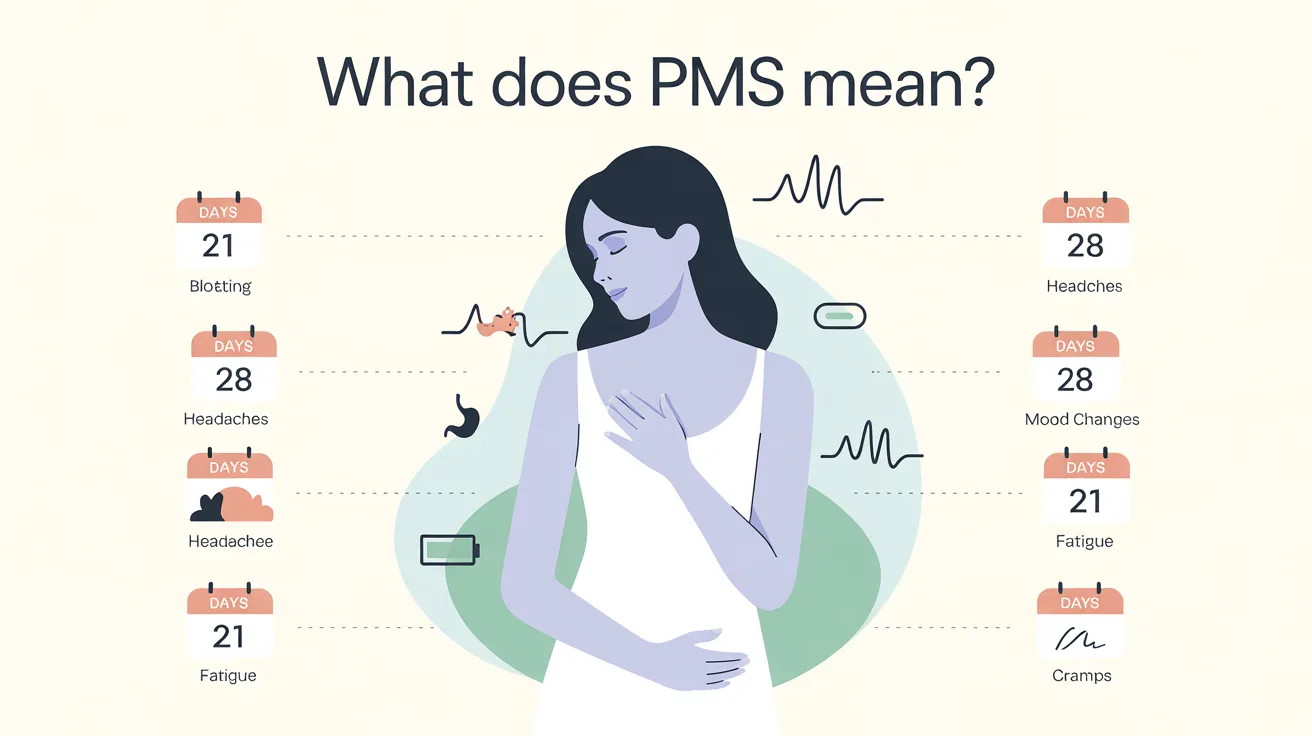
Premenstrual syndrome, commonly known as PMS, is a term many people hear regularly—but fewer truly understand in depth. Some think of PMS as mild mood swings before a period, while others associate it with intense physical pain or emotional distress. In reality, PMS is a complex, whole-body condition that can affect physical health, emotional balance, behavior, and daily functioning.
In this detailed guide, we’ll explore what PMS means, why it happens, how it shows up differently from person to person, and what you can do to manage it effectively. Like a good pet-care or veterinary handbook, we’ll break things down gently, clearly, and practically—so you can recognize the signs, understand the causes, and support the body through this monthly cycle.
What Does PMS Mean?
PMS stands for Premenstrual Syndrome.
It refers to a group of physical, emotional, and behavioral symptoms that occur in the days or weeks before menstruation (a period). These symptoms usually improve or disappear once menstruation begins.
Key Points at a Glance
- PMS occurs after ovulation and before a menstrual period
- Symptoms can range from very mild to severe
- PMS affects people with menstrual cycles, typically between puberty and menopause
- Symptoms are cyclical, meaning they repeat monthly
Think of PMS as the body’s response to hormonal shifts, much like how animals may behave differently during seasonal or reproductive cycles.
Understanding the Menstrual Cycle (PMS in Context)
To understand PMS properly, it helps to know where it fits in the menstrual cycle.
The Four Main Phases
- Menstrual Phase – Bleeding begins
- Follicular Phase – Hormones rise, energy improves
- Ovulation – An egg is released
- Luteal Phase – Hormones drop (this is where PMS appears)
PMS happens during the luteal phase, usually 5–14 days before a period.
What Causes PMS?
There is no single cause of PMS. Instead, it’s believed to result from a combination of biological, chemical, and lifestyle factors.
Primary Contributors
- Hormonal fluctuations (estrogen and progesterone)
- Changes in brain chemicals, especially serotonin
- Sensitivity to hormone changes, not hormone levels themselves
- Genetic predisposition
- Stress and sleep patterns
- Diet and nutritional status
Some bodies are simply more sensitive—similar to how certain animals react more strongly to environmental changes.
Common PMS Symptoms
PMS symptoms vary widely. Some people experience only one or two signs, while others experience many at once.
Physical Symptoms
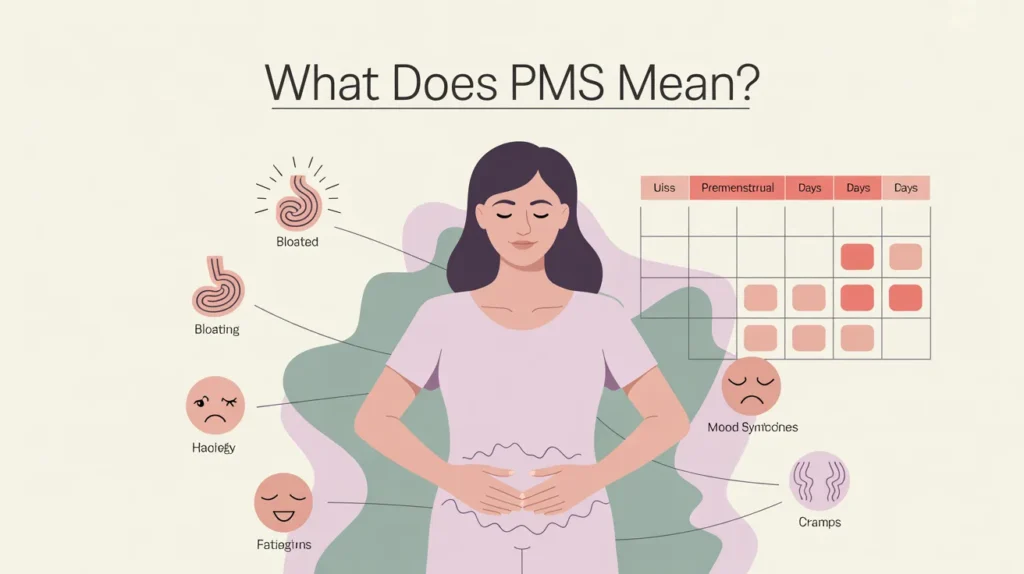
- Bloating or water retention
- Breast tenderness or swelling
- Headaches or migraines
- Fatigue or low energy
- Abdominal cramps
- Joint or muscle pain
- Changes in appetite
- Acne flare-ups
Emotional and Behavioral Symptoms
- Irritability or anger
- Mood swings
- Anxiety or nervousness
- Sadness or crying spells
- Difficulty concentrating
- Sleep problems
- Social withdrawal
Visual and Body Cues
- Puffy face or hands
- Slouched posture from discomfort
- Dark under-eye circles
- Reduced physical activity
- Changes in facial expression or tone of voice
How PMS Feels: Real-Life Examples
PMS doesn’t look the same for everyone.
- One person may feel physically uncomfortable but emotionally fine
- Another may feel emotionally overwhelmed with minimal physical pain
- Some experience strong food cravings
- Others feel withdrawn and low-energy
Much like animals showing different stress signals, PMS expresses itself uniquely in each body.
PMS vs PMDD: What’s the Difference?
Premenstrual Dysphoric Disorder (PMDD)
PMDD is a severe form of PMS that affects a smaller percentage of people but has a major impact on daily life.
| PMS | PMDD |
|---|---|
| Mild to moderate symptoms | Severe emotional distress |
| Manageable discomfort | Disrupts work and relationships |
| Improves with lifestyle changes | Often requires medical treatment |
PMDD symptoms may include:
- Intense depression
- Panic attacks
- Rage or severe irritability
- Feelings of hopelessness
Who Is Most Affected by PMS?
PMS can affect anyone who menstruates, but it’s more common in people who:
- Are in their late 20s to 40s
- Have high stress levels
- Have a history of anxiety or depression
- Consume high amounts of caffeine or sugar
- Have irregular sleep patterns
Where PMS Can Be Found or Live
Unlike living organisms, PMS does not “live” in a habitat—but it exists within the human body, specifically within the reproductive and hormonal systems.
PMS Can Be Found In:
- Individuals with menstrual cycles
- The luteal phase of the menstrual cycle
- Hormonal feedback loops between the brain and ovaries
- Environments involving stress, poor sleep, or nutritional imbalance
Conditions That Encourage PMS Symptoms
- High-stress lifestyles
- Sedentary routines
- Poor dietary habits
- Chronic sleep deprivation
In this sense, PMS “thrives” in environments where the body is under strain—just as animals show symptoms when their habitat is disrupted.
How Long Does PMS Last?
- Symptoms usually begin 5–14 days before a period
- They often peak 1–2 days before menstruation
- Symptoms typically resolve within 1–3 days after bleeding starts
If symptoms persist beyond menstruation, another condition may be involved.
How PMS Is Diagnosed
There is no single test for PMS.
Diagnosis usually involves:
- Tracking symptoms for 2–3 menstrual cycles
- Noting timing, severity, and type of symptoms
- Ruling out other conditions (thyroid issues, depression, anemia)
Keeping a symptom diary is one of the most effective tools.
Practical Tips for Managing PMS
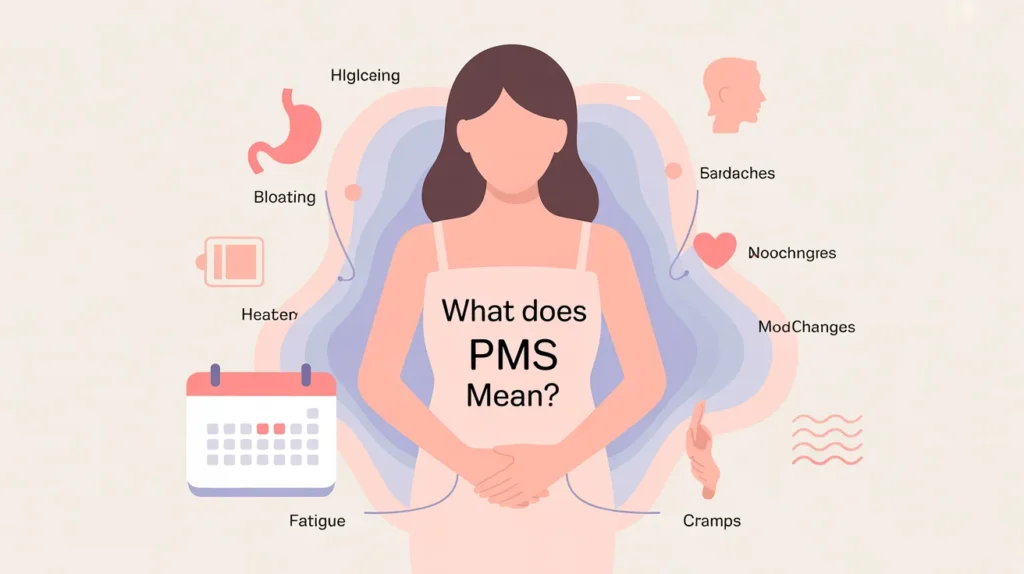
Lifestyle Adjustments
- Maintain regular sleep schedules
- Reduce caffeine and alcohol
- Eat balanced meals
- Stay physically active
- Practice stress-reduction techniques
Helpful Nutrients
- Calcium
- Magnesium
- Vitamin B6
- Omega-3 fatty acids
Gentle Self-Care Strategies
- Warm baths or heating pads
- Light stretching or yoga
- Quiet time and reduced obligations
- Mindfulness or breathing exercises
When to Seek Medical Help
Consider professional support if:
- Symptoms interfere with daily life
- Emotional distress becomes severe
- PMS worsens over time
- You suspect PMDD
Medical options may include:
- Hormonal treatments
- Antidepressants
- Cognitive behavioral therapy
Myths and Misunderstandings About PMS
- ❌ PMS is “just moodiness”
- ❌ Everyone experiences PMS the same way
- ❌ PMS is an excuse for behavior
- ❌ PMS can’t be treated
PMS is a real, biological condition—not a personality flaw.
Frequently Asked Questions (FAQ)
1. What does PMS mean in simple terms?
PMS means Premenstrual Syndrome, a group of physical and emotional symptoms that happen before a menstrual period.
2. Is PMS normal?
Yes. PMS is very common, though its intensity varies from person to person.
3. Can PMS be cured?
There is no permanent cure, but symptoms can often be greatly reduced with proper management and care.
4. Does everyone with periods get PMS?
No. Some people experience little to no PMS, while others experience significant symptoms.
Final Thoughts
Understanding what PMS means empowers individuals to recognize patterns, respond with compassion, and make informed choices. PMS is not a weakness—it’s a sign that the body is responding to natural hormonal changes.
With awareness, tracking, and supportive care, PMS can become manageable rather than overwhelming, allowing individuals to move through their cycles with confidence and balance.