


What Does Hallelujah Mean?
Hallelujah is a powerful expression of praise, joy, and gratitude, most commonly directed toward God. In its simplest form, the word means “Praise the Lord.” It is used across religious texts, worship, music, and even everyday language to express deep emotion—especially happiness or relief.
Though often spoken casually today, Hallelujah carries strong spiritual roots and historical significance.
Hallelujah Meaning in Hebrew
The word Hallelujah comes directly from Hebrew and is made up of two parts:
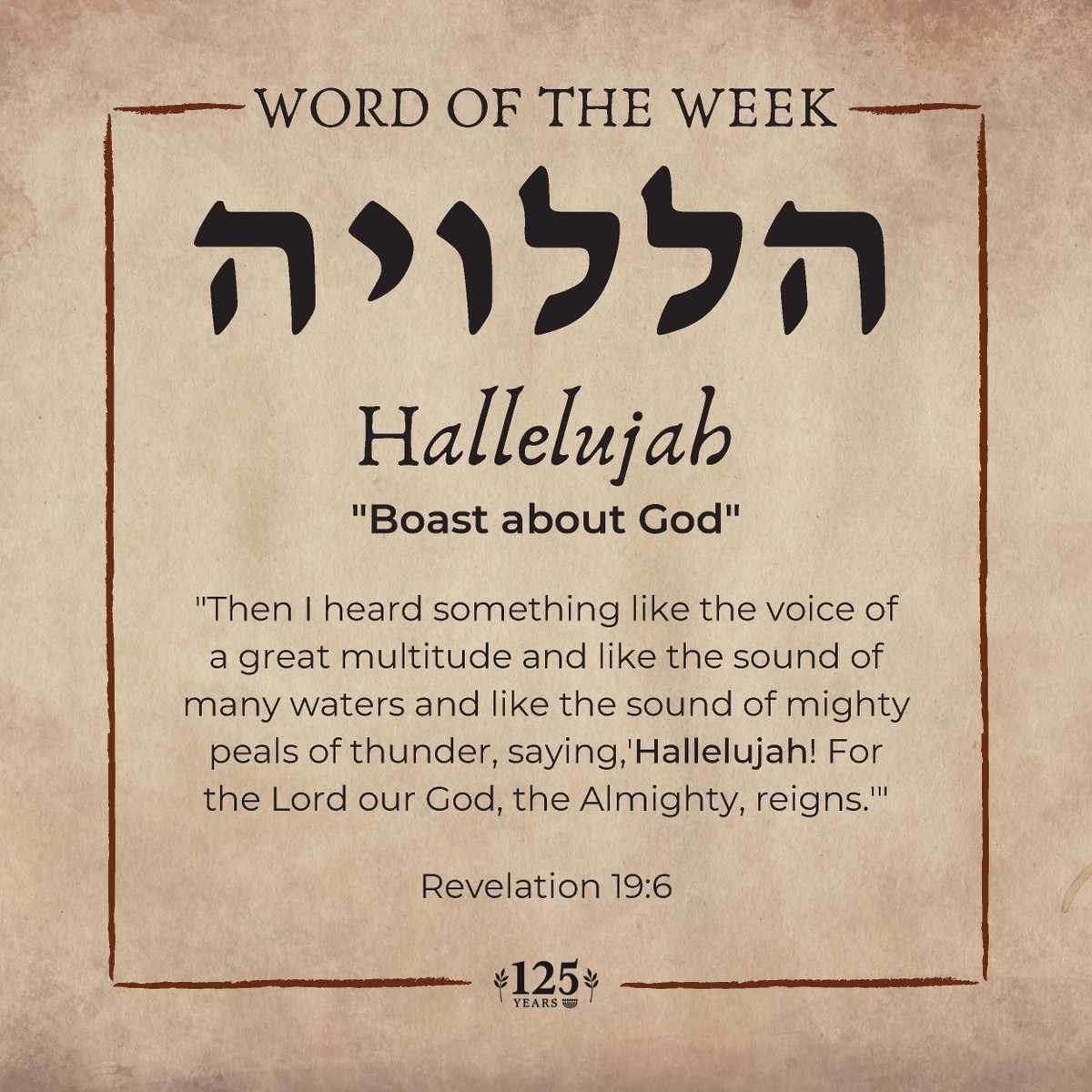
- Hallelu (הַלְלוּ) – meaning “praise” or “give praise”
- Yah (יָהּ) – a shortened form of Yahweh, the name of God
👉 Together, Hallelujah literally means “Praise Yah (God).”
This makes Hallelujah not just an emotional expression, but a command or invitation to praise God.
Hallelujah Meaning in the Bible
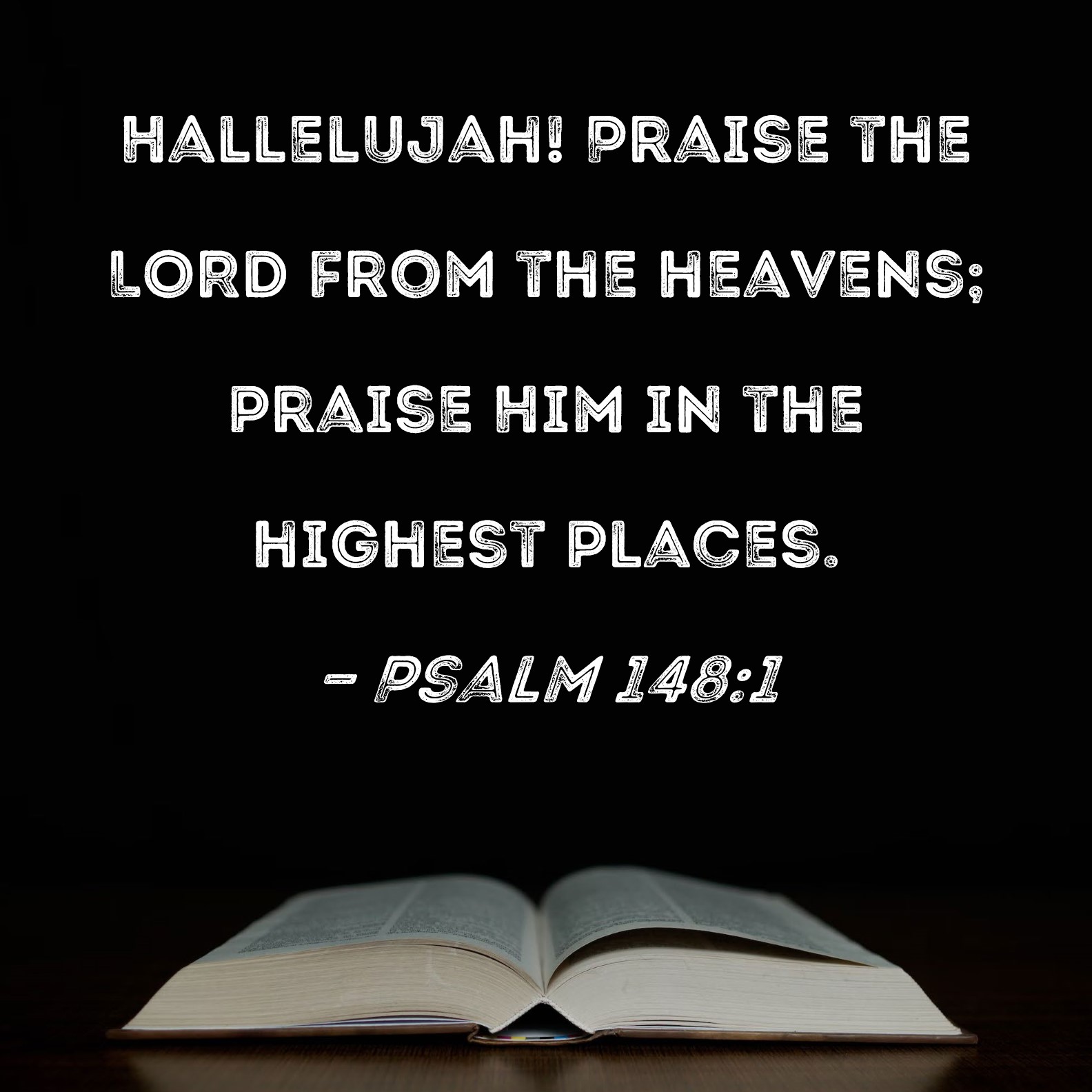
In the Bible, Hallelujah appears frequently—especially in the Book of Psalms—as a call to worship and celebrate God’s power, mercy, and faithfulness.
It is also famously used in the Book of Revelation, where it expresses victory, divine justice, and heavenly praise.
In biblical context, Hallelujah is used to:
- Celebrate God’s greatness
- Express thanksgiving
- Mark moments of triumph or divine intervention
Is Hallelujah Different From Alleluia?
No—Hallelujah and Alleluia mean the same thing.
- Hallelujah comes from Hebrew
- Alleluia is the Greek and Latin form of the same word
Both translate to “Praise the Lord” and are used in worship, hymns, and religious ceremonies across Christianity and Judaism.
Modern Use of Hallelujah
Today, Hallelujah is used far beyond religious settings. People say it to express:
- Relief (“Hallelujah, it finally worked!”)
- Joy or excitement
- Gratitude or celebration
It also appears widely in music, movies, and pop culture, often symbolizing hope, emotional release, or spiritual depth—even when used in a non-religious way.
Hallelujah Meaning in Other Religions
- Christianity: A sacred expression of praise and worship
- Judaism: A traditional Hebrew phrase used in prayers and psalms
- Islam: While not an Islamic term, Muslims recognize its meaning as praising God; similar expressions include Alhamdulillah
Frequently Asked Questions (FAQs)
What does Hallelujah literally mean?
Hallelujah literally means “Praise Yah (God)” in Hebrew.
Is Hallelujah only a Christian word?
No. Hallelujah originates from Hebrew scripture and is used in both Judaism and Christianity.
Can Muslims say Hallelujah?
Yes. While it’s not an Islamic phrase, saying Hallelujah simply means praising God, which aligns with Islamic beliefs.
Why is Hallelujah used in songs so often?
Because it conveys strong emotion—joy, hope, worship, and relief—making it powerful in music and storytelling.
Is Hallelujah a prayer or a statement?
It can be both. In religious use, it’s a form of praise or worship. In everyday language, it’s an emotional expression.
Conclusion
Hallelujah is far more than a word—it’s a timeless expression of praise, faith, and human emotion. Rooted in Hebrew scripture and carried through centuries of worship, music, and culture, its meaning remains clear and powerful: Praise the Lord.