


A Detailed, Practical Guide to the Shape, Structure, and Health of a Resume
A resume is more than a piece of paper or a digital file—it’s a living snapshot of your professional health. Just like a vet examines posture, coat, and behavior to understand an animal’s wellbeing, employers scan a resume’s structure, wording, and layout to assess a candidate’s fitness for a role.
If you’ve ever wondered what a resume actually looks like, what sections it should include, how long it should be, or how different resumes vary by career stage, you’re in the right place.
This guide breaks down everything you need to know, step by step, with practical tips, visual cues, examples, and common warning signs to avoid.
What Is a Resume? (The Basic Definition)
A resume is a concise document that summarizes your:
- Work experience
- Education
- Skills
- Achievements
- Qualifications
Its purpose is simple but critical:
👉 To convince an employer to invite you for an interview.
Unlike a CV (curriculum vitae), which can be long and detailed, a resume is:
- Short (usually 1–2 pages)
- Targeted to a specific job
- Focused on results and relevance
Think of it as a professional highlight reel, not a full biography.
What Does a Resume Look Like at First Glance?
When someone opens a resume, they notice a few things immediately—often in less than 7 seconds.
Visual Snapshot of a Healthy Resume
A good resume typically looks:
- Clean and uncluttered
- Well-organized into sections
- Easy to scan
- Balanced with white space
- Written in a professional font
Common First-Impression Elements
- Clear name at the top
- Contact information directly underneath
- Bold section headings
- Bullet points instead of long paragraphs
- Consistent formatting throughout
📌 Visual cue: If your resume looks crowded or chaotic, it may signal disorganization—even if the content is strong.
Standard Resume Structure (Anatomy of a Resume)
Just like animals share a basic anatomy, resumes follow a familiar structure. Let’s break it down from head to tail.
1. Resume Header (The Face and Identity)
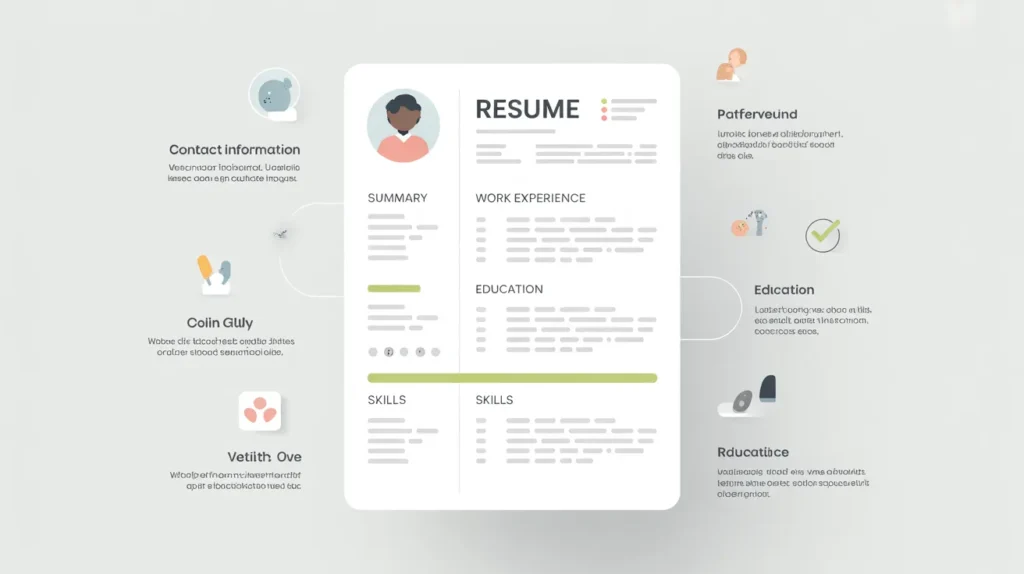
This section sits at the very top.
What It Includes
- Full name (largest text on the page)
- Phone number
- Professional email address
- City and country (optional)
- LinkedIn profile or portfolio (if relevant)
What It Looks Like
Example:
Alex Johnson
alex.johnson@email.com | 555-123-4567
LinkedIn.com/in/alexjohnson | New York, NY
Tips for a Healthy Header
- Avoid nicknames
- Don’t include full home addresses
- Use a professional email (no jokes or numbers)
🚨 Symptom of trouble: Using outdated or unprofessional contact info.
2. Resume Summary or Objective (The Vital Signs)
This short section appears just below the header.
Resume Summary
A summary is a 2–4 sentence snapshot of your experience and strengths.
Best for:
- Professionals with experience
- Career changers
Example:
Results-driven marketing specialist with 5+ years of experience in digital campaigns, SEO, and content strategy. Proven ability to increase engagement and conversions across multiple platforms.
Resume Objective
An objective focuses on your goals.
Best for:
- Students
- Entry-level candidates
Example:
Motivated business graduate seeking an entry-level analyst role to apply strong data interpretation and problem-solving skills.
🩺 Care tip: Keep this section short and tailored to the job.
3. Work Experience (The Muscles and Movement)
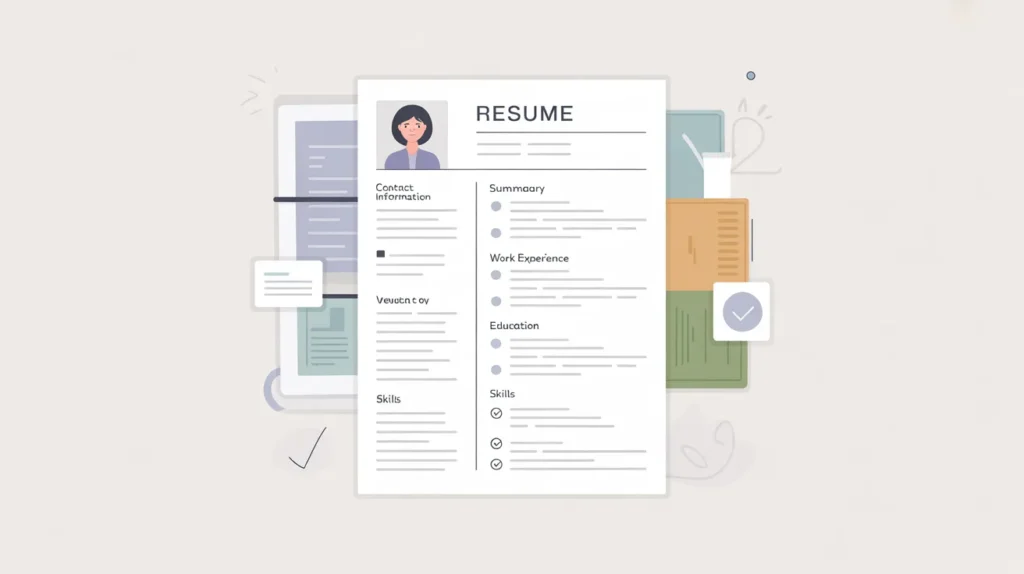
This is the most important section for most employers.
What It Includes
- Job title
- Company name
- Location
- Dates of employment
- Bullet points describing achievements
What It Looks Like
Example:
Marketing Coordinator
Bright Media Agency – Chicago, IL
June 2020 – Present
- Managed social media accounts reaching 50,000+ followers
- Increased website traffic by 35% through SEO optimization
- Coordinated campaigns with cross-functional teams
Visual and Content Cues
- Use bullet points
- Start bullets with action verbs
- Focus on results, not just duties
🚨 Symptoms of an unhealthy experience section:
- Long paragraphs
- Vague phrases like “responsible for”
- No measurable results
4. Education Section (The Growth History)
This section outlines your academic background.
What It Includes
- Degree earned
- Institution name
- Graduation year (optional for experienced workers)
- Honors or certifications
Example
Bachelor of Science in Computer Science
University of California, Berkeley
Graduated: 2021
Tips
- Place education near the top if you’re a student
- Place it after experience if you’re a professional
5. Skills Section (The Abilities and Reflexes)
This section gives employers a quick look at what you can do.
Common Skill Types
- Hard skills: Software, tools, technical abilities
- Soft skills: Communication, leadership, teamwork
Example
Skills
- Microsoft Excel, Google Sheets
- Python, SQL
- Project management
- Written and verbal communication
📌 Visual cue: Skills are often listed in columns or short bullet points.
6. Optional Resume Sections (Special Traits)
Depending on your background, you may include:
- Certifications
- Volunteer experience
- Languages
- Projects
- Publications
- Awards
These sections act like distinctive markings that set you apart.
What Does a Resume Look Like for Different People?
Just as animals vary by breed and age, resumes change based on career stage.
Entry-Level Resume
- 1 page
- Education near the top
- Skills and internships highlighted
Mid-Career Resume
- 1–2 pages
- Strong work experience section
- Results-focused bullet points
Senior-Level Resume
- 2 pages
- Leadership achievements
- Strategy and impact emphasized
Resume Formatting: The Outer Appearance
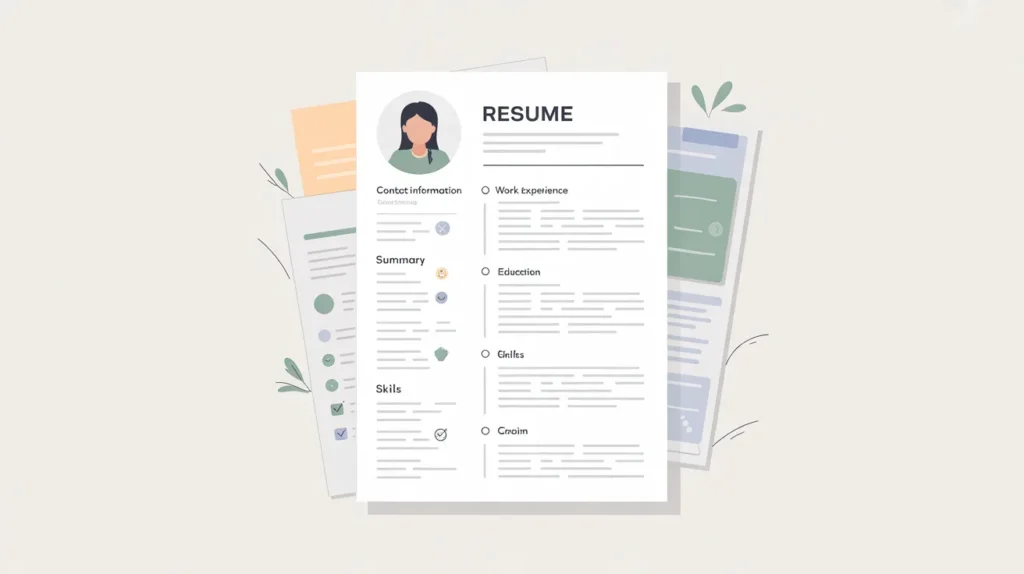
Formatting affects how readable and scannable your resume is.
Font Choices
- Arial
- Calibri
- Times New Roman
- Helvetica
Font size:
- Name: 18–24 pt
- Body text: 10.5–12 pt
Margins and Spacing
- 0.5–1 inch margins
- Adequate white space
🚨 Warning sign: Tiny fonts or cramped spacing.
Visual Resume vs Traditional Resume
Traditional Resume
- Black and white
- Text-focused
- Most commonly accepted
Visual Resume
- Icons, colors, graphics
- Used in creative fields
- Not always ATS-friendly
🩺 Care advice: When in doubt, choose clarity over creativity.
Digital vs Printed Resumes
Digital Resume
- PDF format preferred
- Optimized for ATS systems
- Easily emailed or uploaded
Printed Resume
- Clean paper
- Simple formatting
- Used for interviews or career fairs
Where What Does a Resume Look Like Can Be Found or Live
Just like animals have habitats, resumes exist in many environments.
Common Resume “Habitats”
- Job application portals
- Email attachments
- LinkedIn profiles
- Personal websites
- Cloud storage (Google Drive, Dropbox)
- Applicant Tracking Systems (ATS)
Hosts and Environments
- Employers
- Recruiters
- Hiring managers
- Career coaches
📌 Tip: Always save your resume in multiple formats and locations.
Common Resume Mistakes (Symptoms to Watch For)
- Typos and grammar errors
- Inconsistent formatting
- Too long or too short
- Generic content
- Outdated information
🩺 Treatment: Proofread, tailor, and update regularly.
How Often Should You Update a Resume?
- After a new job
- After a promotion
- After learning a new skill
- At least once a year
Think of it as a routine check-up.
Signs of a Strong, Healthy Resume
- Clear structure
- Relevant content
- Measurable achievements
- Professional appearance
- Easy to scan
If an employer can understand your value in seconds, your resume is in great shape.
Frequently Asked Questions (FAQ)
1. What does a resume usually look like?
A resume usually looks like a clean, well-organized document with clear sections for contact info, summary, experience, education, and skills, formatted for easy scanning.
2. How long should a resume be?
Most resumes are one page, while experienced professionals may use two pages if necessary.
3. Should a resume include a photo?
In most countries, especially the U.S. and UK, resumes should not include photos unless specifically requested.
Final Thoughts
A resume isn’t just about listing jobs—it’s about presenting your professional health in the clearest, strongest way possible. When properly structured, formatted, and maintained, it becomes a powerful tool that opens doors.
Treat your resume like a living document: feed it achievements, groom it regularly, and never ignore warning signs.