

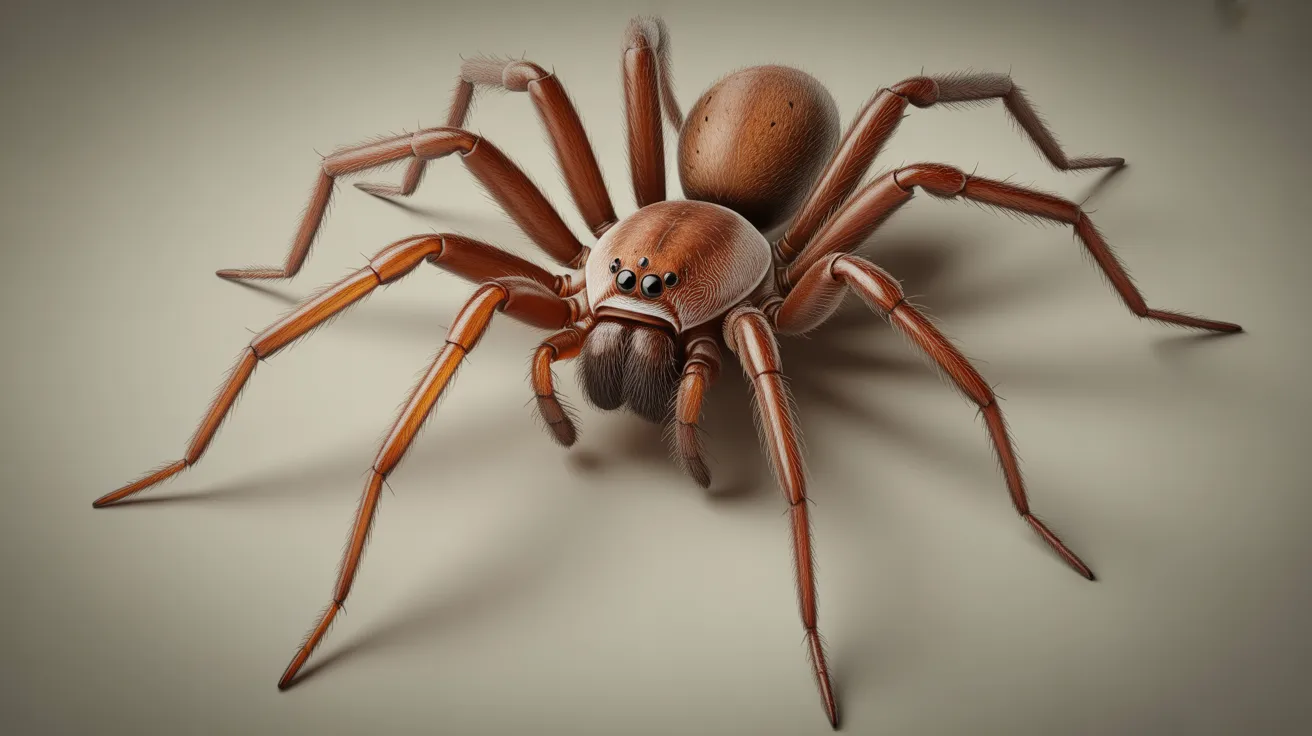
Brown recluse spiders are among the most notorious arachnids in North America due to their venomous bite. Understanding what they look like is essential for identification, prevention, and safety. In this guide, we’ll explore their physical features, habitats, behaviors, and what to do if you encounter one.
Brown recluse spiders, scientifically known as Loxosceles reclusa, are small yet potentially dangerous spiders. Their bites can cause necrotic lesions and serious skin damage, making proper identification critical. Although often feared, these spiders are shy, reclusive, and typically avoid human contact.
This article provides a detailed, easy-to-understand description of what a brown recluse looks like, along with practical advice for spotting them safely.
Physical Appearance of a Brown Recluse
Size and Shape
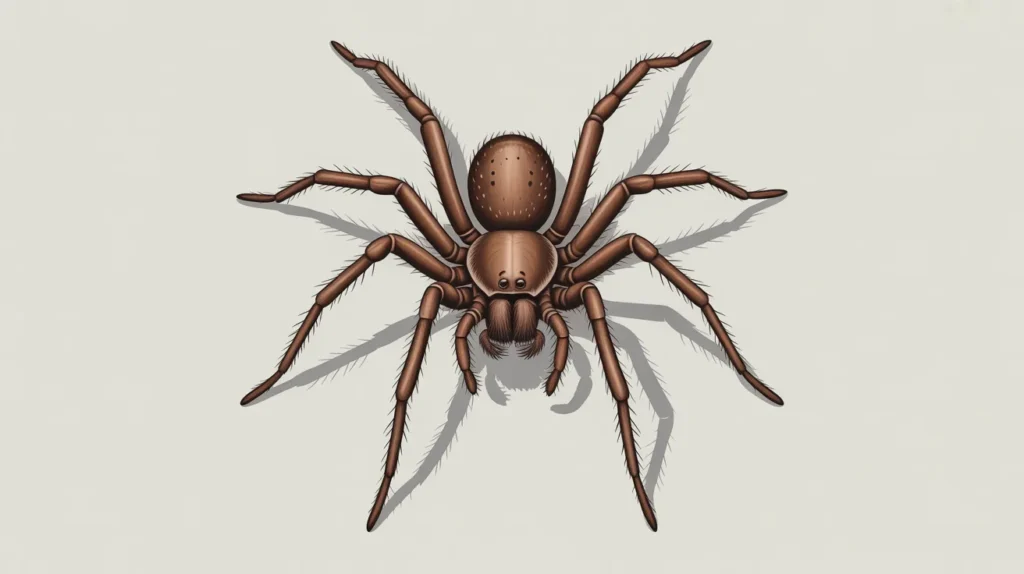
- Body length: Adult brown recluses are usually 6–20 millimeters (0.25–0.8 inches) long.
- Leg span: Legs can extend up to 25 millimeters (1 inch) across.
- Body shape: The body is oval with a slightly elongated abdomen. The legs are long, thin, and appear delicate compared to the body.
Coloration
- Primary color: Uniform brown or tan. Some can appear yellowish or darker brown depending on lighting and region.
- Distinctive markings: The most famous feature is the dark violin-shaped marking on the cephalothorax (the combined head and thorax region).
- The violin’s neck points toward the abdomen.
- This marking can vary in prominence and may not always be easily visible in young spiders.
Eyes
- Eye pattern: Unlike most spiders, which have eight eyes, brown recluses have six eyes arranged in pairs (dyads):
- Two eyes in the front center
- Two on each side
- This unique eye pattern can help confirm identification when other features are unclear.
Legs and Hair
- Legs: Long, slender, and covered in fine hairs.
- No spines: Legs lack prominent spines, making them look smoother than other spiders.
- Color: Legs are often lighter than the body and may appear slightly translucent.
Distinguishing Features
Identifying a brown recluse accurately is key, as many non-venomous spiders can be mistaken for it.
Key identifiers include:
- Violin-shaped marking: Most common and recognizable trait.
- Six eyes in three pairs: Unique among spiders in North America.
- Uniform coloration: No stripes or bright patterns on the body or legs.
- Smooth, thin legs: Legs lack noticeable spines or banding.
- Fiddle-like cephalothorax: Rounded body with the “neck” of the violin pointing backward.
Visual cues for comparison:
- Unlike wolf spiders or hobo spiders, brown recluses have a smaller, more compact body and lack a hairy or striped abdomen.
- Unlike house spiders, their legs are thinner and longer relative to body size, and coloration is more uniform.
Behavior and Habits
Understanding a spider’s behavior can help in spotting or avoiding it.
- Nocturnal activity: Brown recluses are mainly active at night.
- Shy and reclusive: They hide in undisturbed areas.
- Web structure: Their webs are irregular, sparse, and often built in corners. Unlike orb weavers, they do not create circular webs.
- Feeding habits: They are predatory and feed on insects, often captured in their small, inconspicuous webs.
Where Brown Recluses Can Be Found or Live
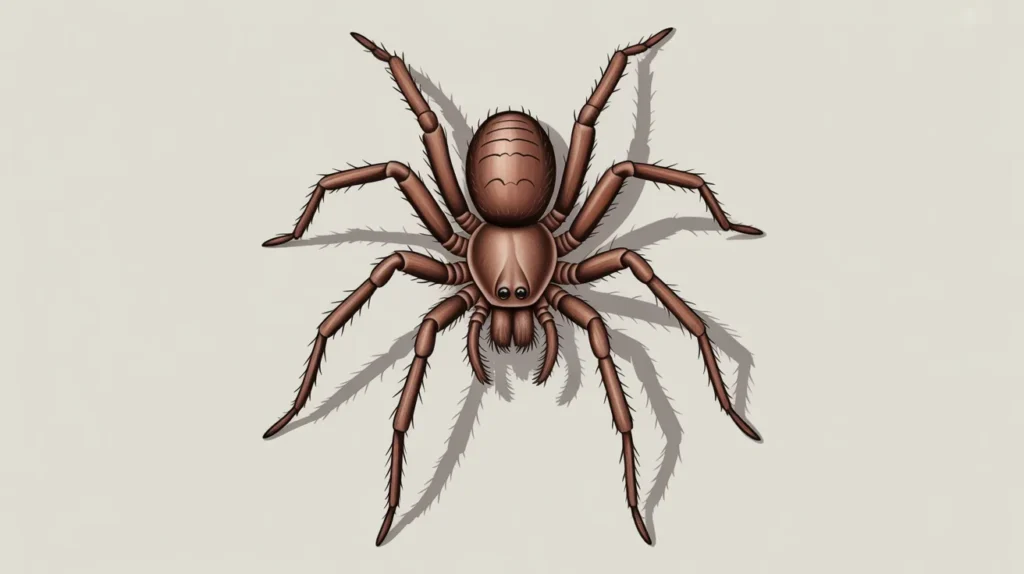
Brown recluses are native to the central and southern United States, although they have been spotted in other regions due to accidental transport.
Common habitats include:
- Indoors:
- Basements, attics, and closets
- Behind furniture, cabinets, and stored boxes
- Dark, quiet corners, especially under objects
- Outdoors:
- Woodpiles, sheds, and barns
- Under rocks, debris, or leaf litter
- In abandoned structures or quiet spaces
Environmental preferences:
- Warm climates with dry, secluded areas
- Prefer undisturbed environments, often avoiding heavy human traffic
Tip: Regular cleaning, decluttering, and sealing cracks can reduce indoor encounters.
Signs You May Have a Brown Recluse Nearby
While sightings are uncommon due to their shy nature, these signs may indicate their presence:
- Spider sightings: Particularly at night in undisturbed areas
- Shed exoskeletons: Like other spiders, they molt and leave small, empty shells
- Small, irregular webs: Usually in corners, low-traffic areas
- Unexplained insect population decrease: They feed on insects, so a sudden drop in small pests may indicate their presence
Symptoms of a Brown Recluse Bite
Although bites are rare, it’s important to know the symptoms:
- Immediate signs:
- Mild pain or itching at the bite site
- Redness and swelling
- Delayed symptoms (12–24 hours):
- Blistering, ulcer formation
- Necrotic tissue in severe cases
- Systemic reactions (rare):
- Fever or chills
- Nausea
- Fatigue
Important: Not all bites cause severe reactions. Many are mild and heal without medical intervention. Seek medical attention if you notice rapidly spreading redness, severe pain, or necrosis.
Practical Tips for Avoiding Brown Recluse Bites
At Home
- Declutter areas where spiders may hide
- Shake out shoes, clothing, and bedding before use
- Seal cracks and gaps in walls and windows
- Store items in plastic containers instead of cardboard boxes
Outdoors
- Wear gloves when handling woodpiles, rocks, or debris
- Keep sheds and barns tidy
- Avoid placing firewood directly against walls
Identification Safety
- Avoid handling spiders directly
- Use a jar or glass to safely capture for identification if necessary
- Take clear photos to compare markings without touching
Common Misidentifications
Brown recluses are often confused with other non-venomous spiders.
Common lookalikes include:
- Wolf spiders: Hairier, larger, and more robust
- House spiders: Often striped or banded legs
- Cellar spiders: Long, thin legs but smaller bodies and no violin marking
Tip: Focus on the six eyes, violin marking, and uniform coloration for accurate identification.
First Aid for Suspected Bites
If you suspect a brown recluse bite:
- Clean the wound: Wash with soap and water.
- Apply ice: Reduce swelling and discomfort.
- Elevate the area: If bitten on a limb.
- Seek medical care: Especially if necrosis or systemic symptoms develop.
Do not:
- Attempt to cut or suck the venom
- Apply heat, as it can worsen tissue damage
FAQs About Brown Recluse Spiders
Q1: Can brown recluses jump or fly?
No, they cannot jump or fly. They move quickly on their legs but prefer to hide.
Q2: Are brown recluse bites deadly?
Death is extremely rare. Most bites are minor, though severe necrosis can occur in rare cases, especially in children or those with compromised immunity.
Q3: How can I identify a brown recluse in the wild?
Look for a small, brown spider with a violin-shaped marking, six eyes in three pairs, smooth legs, and a uniform tan-brown coloration.
Q4: Do brown recluses live everywhere in the U.S.?
No, they are mostly found in the central and southern regions but may appear elsewhere due to accidental transport.
Conclusion
Knowing what a brown recluse looks like can prevent unnecessary panic and help keep you safe. Focus on their violin-shaped marking, six eyes, smooth legs, and uniform brown color for identification. By maintaining clean, uncluttered spaces, taking precautions when handling materials outdoors, and understanding their behavior, encounters can be minimized.
Remember, while brown recluses are venomous, they are reclusive and bites are rare. Awareness, rather than fear, is the best approach.